Tata Nano 2026 : Remember the tiny marvel that promised to motorize millions? Tata Nano is roaring back into headlines with whispers of a 2026 relaunch, tailored for today’s bustling streets.
The Legendary Past That Started It All
Back in 2008, Ratan Tata unveiled the Nano as the world’s cheapest car, a game-changer for India’s two-wheeler families dreaming of four wheels.
It zipped into hearts with its compact charm and fuel-sipping ways, but hiccups like the Singur land row forced a factory shift to Sanand, Gujarat.
Production delays and whispers of safety snags dimmed its shine, turning hype into a sales stutter despite loyal fans who swore by its city-conquering agility. By 2018, it bowed out quietly, leaving a void in budget motoring that no rival quite filled.
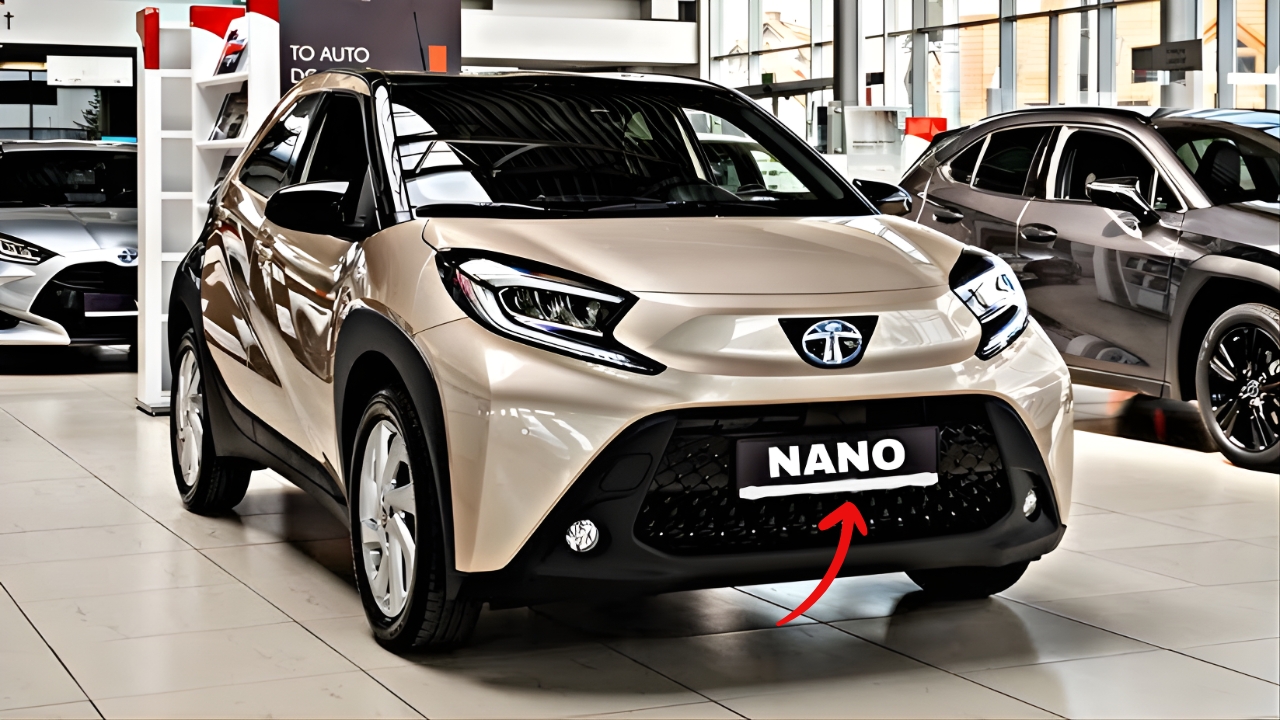
Why the World Is Talking Nano Again Now
Fast-forward to early 2026, and social media is ablaze with leaks and YouTube scoops claiming Tata Motors is dusting off the Nano badge for a fresh avatar.
Reports from auto circles suggest it’s no mere nostalgia trip but a smart pivot to electric dreams amid India’s green push.
Tata’s EV lineup—like Tiago and Nexon—has primed the pump, and insiders hint this mini-machine could slot right in as the ultimate urban zipster.
Recent sightings of prototypes zipping test tracks have fueled the fire, with enthusiasts camping online for official word that still hasn’t dropped.
Electric Dreams: What the New Nano Might Bring
Picture this: a pint-sized powerhouse with a zippy electric heart, blending the old Nano’s nimble footprint with modern muscle.
Leaks point to a modest battery pack delivering city-friendly jaunts, paired with zippy acceleration for dodging Mumbai traffic snarls.
Upgraded looks promise sleeker lines, LED glows, and a cabin smarter than your average smartphone—think digital dashes and seamless phone links.
Safety gets a serious glow-up too, shedding the old “cheap and cheerful” tag with reinforced builds and smart brakes, all while keeping that featherweight feel for effortless parking.
Fitting Perfectly into India’s Chaos
In a nation where potholes are playgrounds and parking is a puzzle, the Nano’s return feels like destiny. Families squeezing into autos or battling bike exhausts would lap up this pocket rocket for school runs and veggie hauls.
With EV incentives rolling from Delhi and states slashing road taxes, it could spark a mobility revolution for the masses, much like Ubers did for rides.
Tata’s Gujarat hub, battle-tested from past Nano days, stands ready to churn these out, potentially flooding showrooms by mid-year if rumors hold.
Challenges Tata Must Dodge This Time
History bites, and Tata knows it—the original Nano stumbled on “poor man’s car” stigma and finicky builds that scared buyers off.
Marketing misfires amplified fire scare tales, while rivals piled on features at similar spends. This round, perception warfare looms large; can they spin it as a clever, cool EV instead of budget bait? Supply snags in batteries and chips could delay the party, and fierce competition from Chinese minis adds spice.
A Glimpse at Road-Tested Visions
YouTubers have spun mock-ups that nail the vibe: a bubbly hatch with aero tweaks, hugging corners like a go-kart on steroids.
Imagine gliding silently past honking hordes, with regen braking juicing every stop into extra miles. Real-world tests leaked online show it nipping through narrow alleys where SUVs surrender, proving the Nano DNA still conquers congestion.
What This Means for You and Me
If the 2026 Nano lands, it won’t just be wheels—it’s freedom on a platter for tier-2 town hustlers eyeing zero-emission upgrades.
Tata could reclaim its innovator crown, nudging millions from petrol pumps to plug points and easing urban air woes. Skeptics say wait for the veil-lift, but the buzz alone has dealers prepping show space. Will it zoom past past pitfalls to bestseller status? India’s roads are holding breath.
Also Read This : Vivo V40e 5G 50MP selfie camera smartphone comes with 5500mAH battery, look is amazing
This revival tale clocks nostalgia with tomorrow’s tech, reminding us innovation thrives on second chances. As March 2026 unfolds, keep ears peeled—Tata might just surprise us all over again.